Powell‑Cotton Museum, Kent: Grant Success and Delivery of a Two‑Phase Estate Renewal
The Powell‑Cotton Museum, set within the beautiful Quex Park Gardens, holds one of the UK’s most significant collections of African wildlife taxidermy and ethnographic artefacts. After years of accumulated maintenance issues, the museum required urgent investment to protect both the building and its nationally important collections.
Securing MEND Funding for Essential Museum Repairs
MacConvilles were appointed to lead the museum’s Arts Council MEND (Museum Estate and Development) funding application. The result was outstanding: the museum secured the largest MEND grant awarded in the South East, enabling a transformative two‑phase programme of essential repairs and gallery improvements — now successfully completed.
Delivering a Major Refurbishment in a Live Museum Environment
The museum faced widespread deterioration, including failing roofs, water ingress and ageing internal finishes. These issues threatened the long‑term preservation of collections and the quality of the visitor experience.
A strategic, conservation‑led approach was needed to deliver major works while keeping the museum operational and safeguarding sensitive objects.
MacConvilles led the MEND funding application and, following its success, were appointed as Project Manager and QS/Contract Administrator for the full programme.
Our responsibilities included:
- Developing the project strategy and funding case
- Managing procurement and specialist contractors
- Overseeing cost, quality and programme delivery
- Coordinating conservation requirements and object protection
- Ensuring minimal disruption to visitors throughout
Phase 1: Securing the Building & Refreshing Key Galleries
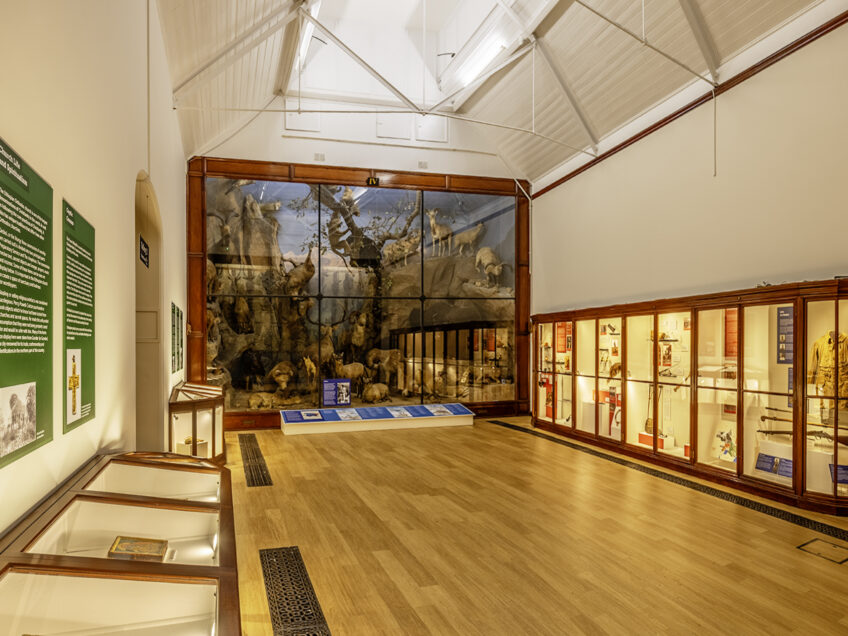
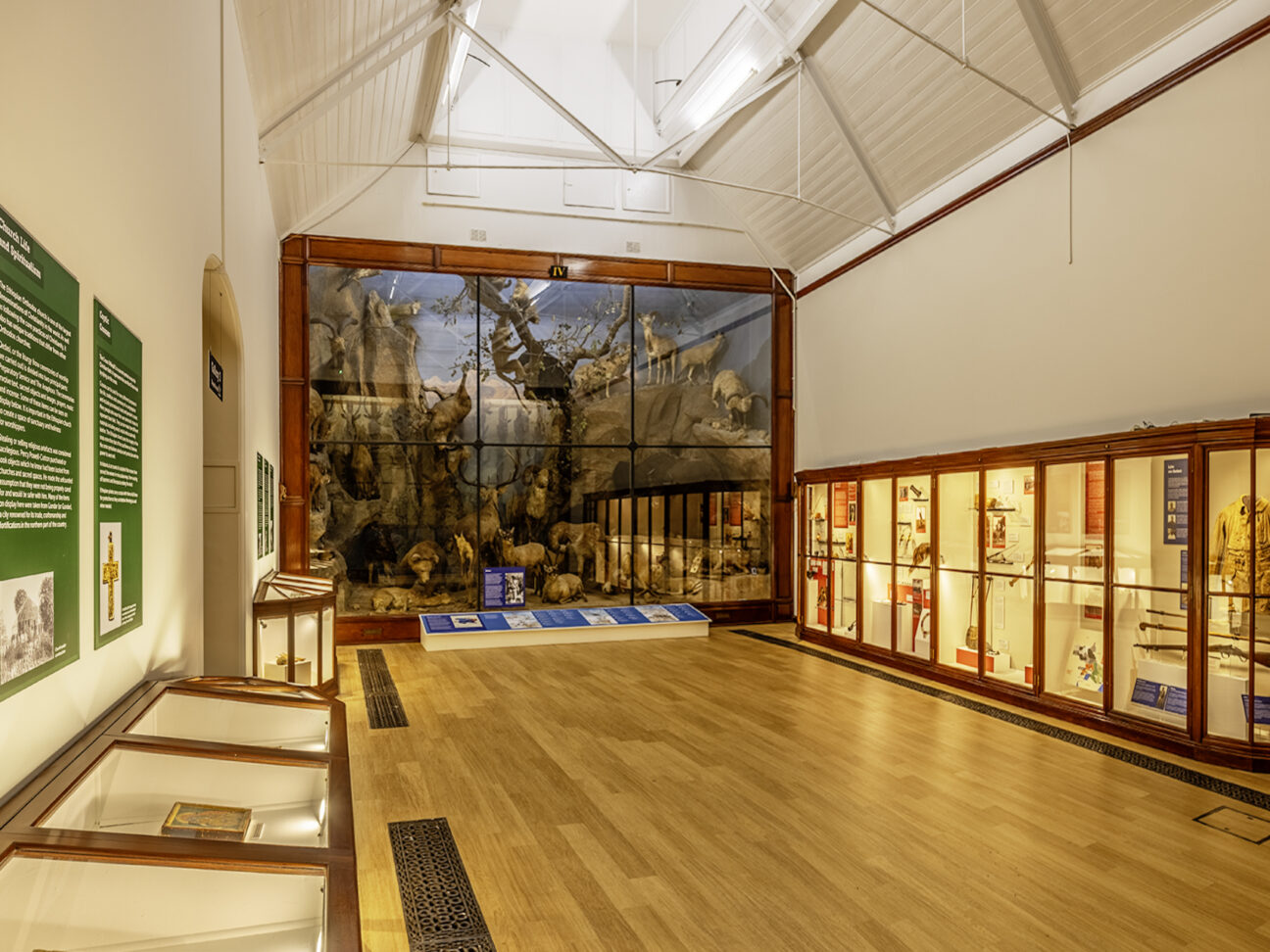
Phase 1 focused on stabilising the building and improving the museum’s main visitor‑facing spaces. The works involved renewing all flat and pitched roof coverings across 1,650 m², including the refurbishment of the decorative glazed lanterns that form a distinctive feature of the roofscape. Much of this work took place directly above the museum’s large diorama, which meant that dust, vibration and environmental disturbance had to be carefully controlled throughout.
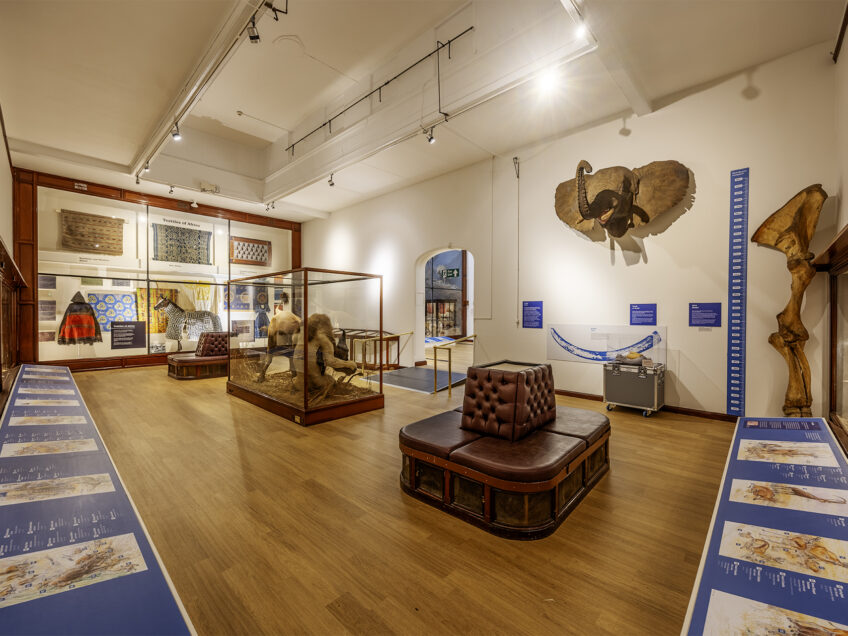
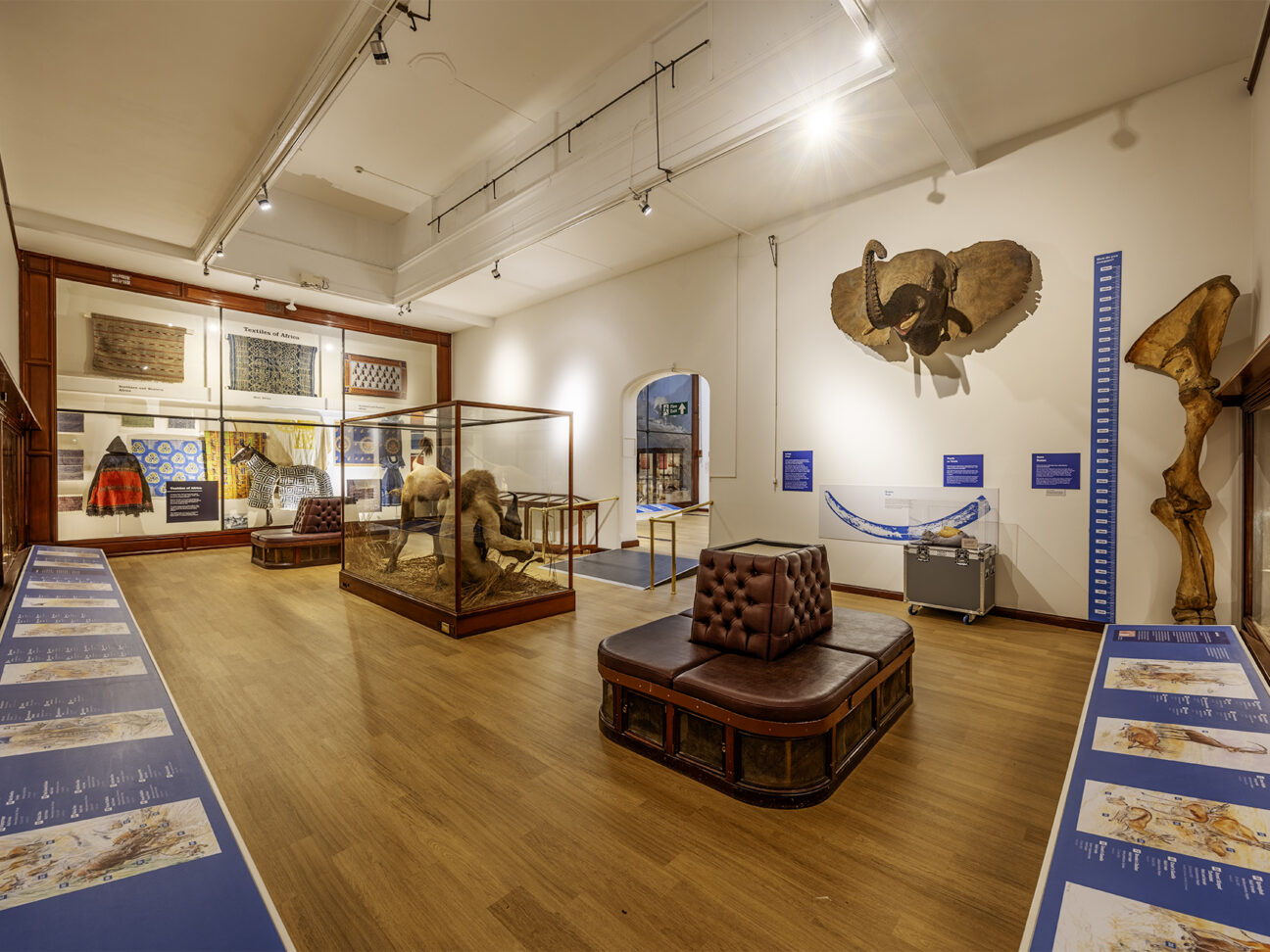
Alongside the external repairs, essential work was carried out to the building’s fabric to prevent further deterioration. Inside the museum, Galleries 1, 2 and 3 were refurbished with new flooring, fresh decoration and restored timber trims. These improvements created a brighter, more welcoming setting for updated exhibitions, including new natural history interpretation, a taxidermy process display and striking presentations of East African material culture. Visitor feedback has been extremely positive.
Phase 2: Completing the Museum‑Wide Transformation
Phase 2 continued the momentum by extending the roof replacement programme to Galleries 4–7 and tackling a range of internal maintenance needs. This included repairing floors and ceilings, redecorating key spaces and addressing areas affected by damp. Throughout the process, objects were either carefully decanted or protected in situ to ensure their safety. Gallery 6, a popular family space, required temporary closure, but alternative arrangements ensured that the visitor experience remained uninterrupted. Both phases were delivered on programme, and the museum stayed operational throughout the works.
The completed project has resulted in a fully repaired, weather‑tight building with modernised galleries ready for new interpretation. Environmental conditions for the collections have been significantly improved, and the museum now benefits from a more resilient, future‑proofed estate. The client is delighted with the results, and visitor responses have been highly positive.
The Powell‑Cotton Museum project shows what can be achieved with the right funding, clear planning and a strong team. MacConvilles are pleased to have supported the museum in securing the investment needed and delivering improvements that will support both visitors and collections well into the future.
MEND is funded by the Department for Culture, Media and Sport and is administered by Arts Council England.
back to work