BS 9991:2024 – Key Fire Safety Updates and How They Impact the Built Environment
21st November 2024
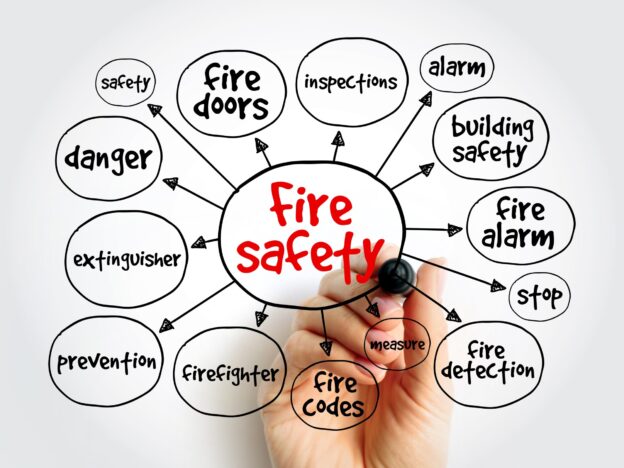
Fire safety is a cornerstone of modern building design, ensuring both occupant safety and structural resilience. As buildings become more complex and fire safety technologies advance, so too must the standards that guide professionals across the construction and built environment sector.
The upcoming BS 9991:2024 revision represents a pivotal step forward, offering robust guidance tailored to today’s challenges. The new standard reflects the latest fire safety knowledge and practices, from accommodating mixed-use and high-rise structures to addressing the unique needs of residential care homes.
It’s important to note that BS 9991:2024 comes into force on 27th November and will immediately become the law. There is no grace period for compliance—this is a firm mandate that requires readiness from all stakeholders involved in the built environment.
Key Changes in BS 9991:2024
The 2024 update introduces critical revisions that enhance fire safety across residential buildings. Here’s what you need to know:
Expanded Scope
BS 9991 now includes residential care homes, acknowledging their distinct evacuation needs and fire safety challenges.
Removal of Timber Exclusions
The explicit exclusions on timber have been removed, reflecting new evidence on the safe use of mass timber in medium and high-rise buildings.
Sprinklers and Single-Stair Buildings
Updated height limits for single-stair buildings and revised sprinkler installation guidelines ensure better safety measures in modern residential designs.
European Classifications for Fire Doors
National classifications for fire doors have been replaced with European standards, enhancing consistency and reliability in fire resistance measures.
Enhanced Smoke Control and Evacuation Lifts
The standard includes improved recommendations for smoke control systems and evacuation lifts, critical for ensuring safety in tall buildings.
Updates on Ancillary Areas, Kitchens, and External Wall Systems
Guidance for these areas has been updated to align with the latest safety practices, ensuring comprehensive protection throughout residential buildings.
Benefits of BS 9991:2024
The revised standard offers far-reaching advantages, helping professionals design safer, more resilient buildings:
- Comprehensive Framework: Provides the most current and practical recommendations for fire safety in residential buildings.
- Adaptability: Addresses the challenges of mixed-use and high-rise structures with clear and actionable guidance.
- Future-Proof Design: Integrates the latest advancements in fire safety knowledge, ensuring long-term compliance and safety.
Who Should Use BS 9991:2024?
This standard is invaluable for professionals at all stages of building design and management, including:
Architects and Designers
BS 9991 provides a clear framework for integrating fire safety considerations into new and existing building projects.
Fire Safety Engineers and Risk Assessors
The revised methodologies address emerging fire safety challenges, ensuring a proactive approach to risk management.
Building Owners and Managers
Following the standard supports legal compliance, reduces liability, and ensures the safety of both residents and assets.
Fire and Rescue Services
By standardising design and operational procedures, BS 9991 aids in more efficient firefighting and evacuation operations.
How we can help.
Navigating updates to fire safety standards can be complex, but you don’t have to do it alone. While fire safety assessments are the responsibility of a fire officer, our team stays up-to-date with the latest fire safety requirements and seamlessly integrates them into our work. This ensures your project is designed and delivered to meet compliance with BS 9991:2024.
MacConvilles specialise in:
- Incorporating the latest fire safety standards into our designs for new builds, renovations, and material changes.
- Providing expert advice to help your projects align with current regulations and best practices.
The implementation of BS 9991:2024 reinforces the journey the industry has been on to achieve a better standard in Fire Safety and demands proactive action. Projects that fail to align with these updated requirements could face delays, additional costs, or legal challenges.
Contact us today to discuss implementing BS 9991:2024 and staying ahead of the curve.
Related posts
Building Safety Levy 2026: What UK Developers Need to Know Before the October Deadline Read More
Approved Document B Is Evolving: What It Means for Existing Buildings
A practical view of Approved Document B changes and their impact on existing buildings.
Read More


